Do You Already Own Your Next Project? — Green Belt Case Study
( 3 Min Read )
When the market gets tighter and new deals get harder to find, most investors do the same thing — they look harder. More portals, more agents, more off-market hunting.
But there's a question worth asking before you do any of that.
What do you already own — and have you really looked at it?
Not just what it is today. But what it could be.
The Opportunity Many Overlook
It's easy to get tunnel vision when you're looking for the next deal. You're scanning for something new, something external, something to acquire. And in doing that, a lot of investors and landowners completely overlook the land and assets they already control.
An unloved corner of a commercial site. A redundant outbuilding. A tired structure that's eating business rates and doing nothing. Land that's been written off as too difficult, too sensitive, or too complicated to touch.
This is exactly where some of the most interesting opportunities sit — and they're already yours.
Case Study: 7,150m² of New Build Offices from a Greenhouse.
We recently completed a project that is a perfect example of this.
Our client owned an established garden centre in Lichfield — but like most operational sites, there were corners of the site that weren't generating income and were falling into disrepair.
In this case: two redundant greenhouses, in poor condition, sitting on an underutilised part of the site.
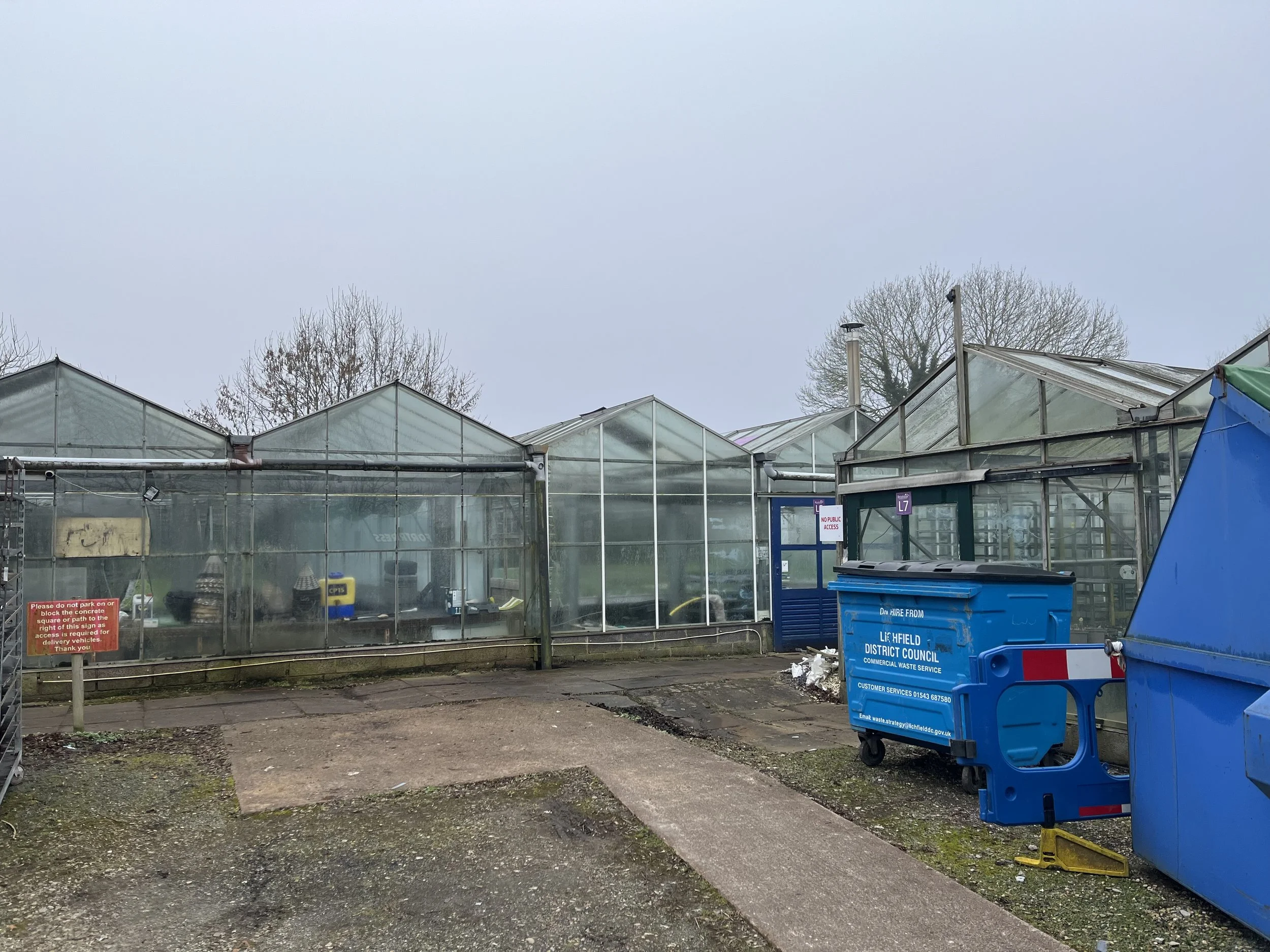
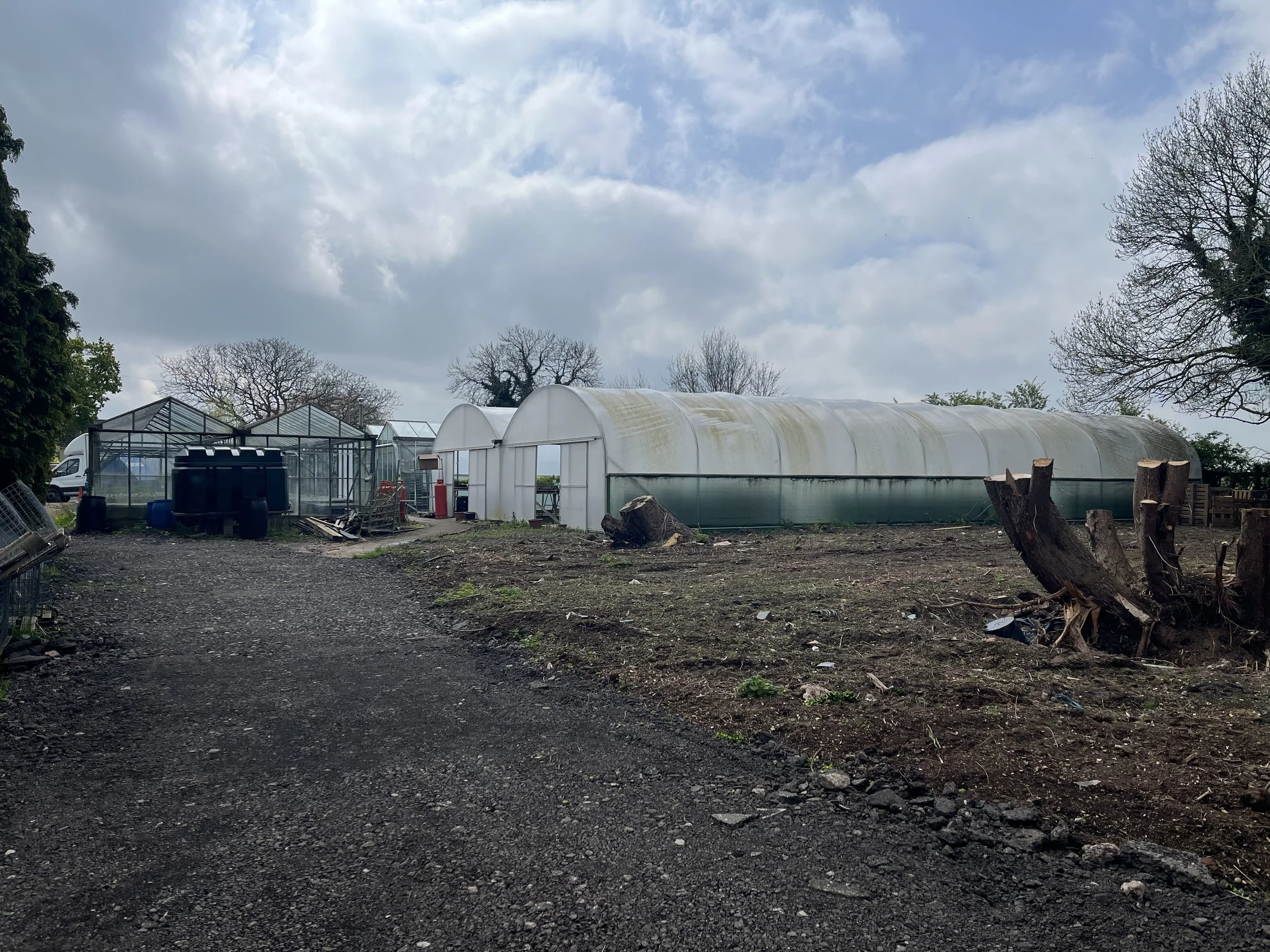
The site sat within the Green Belt. For most people, that's where the conversation stops. Green Belt means no. Green Belt means impossible. Not always.
Working with the right team and the right planning strategy, we designed a new contemporary timber-clad office building of over 7,150m² to replace the existing greenhouses. A considered design response to a sensitive landscape setting — respecting the greenbelt context while making a genuine case for what the development would deliver: local employment, high-quality workspace, and the removal of poor condition structures that were adding nothing.
Full planning permission granted.
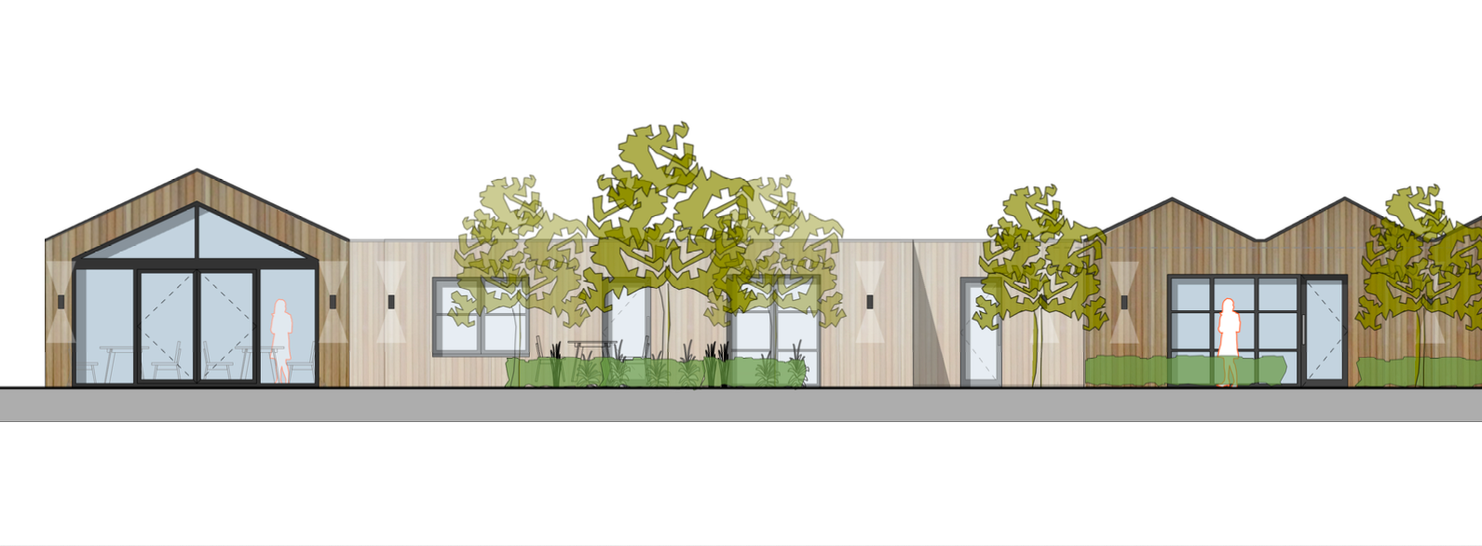
Proposed Front Elevation (part)
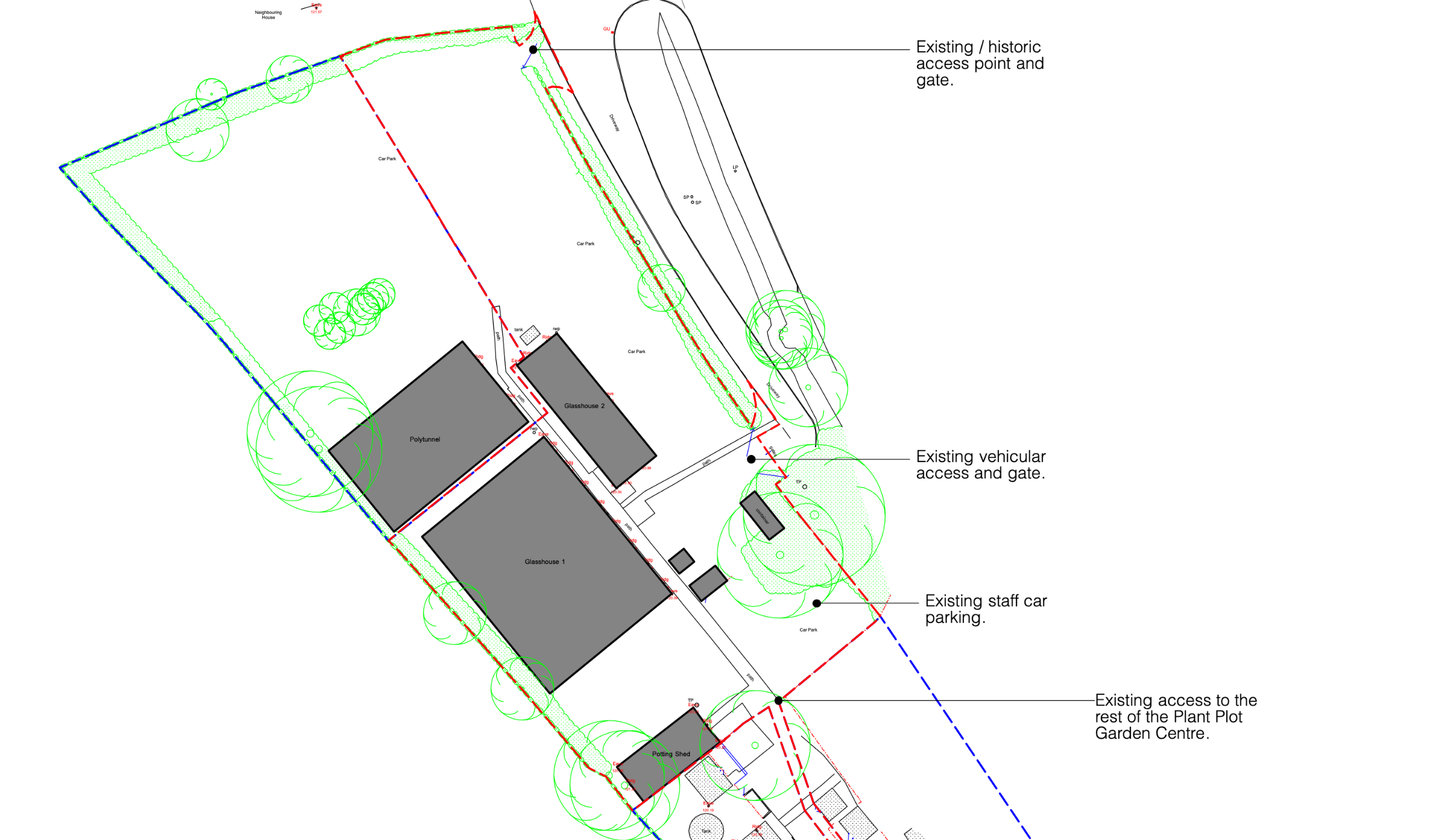
Existing Site Plan
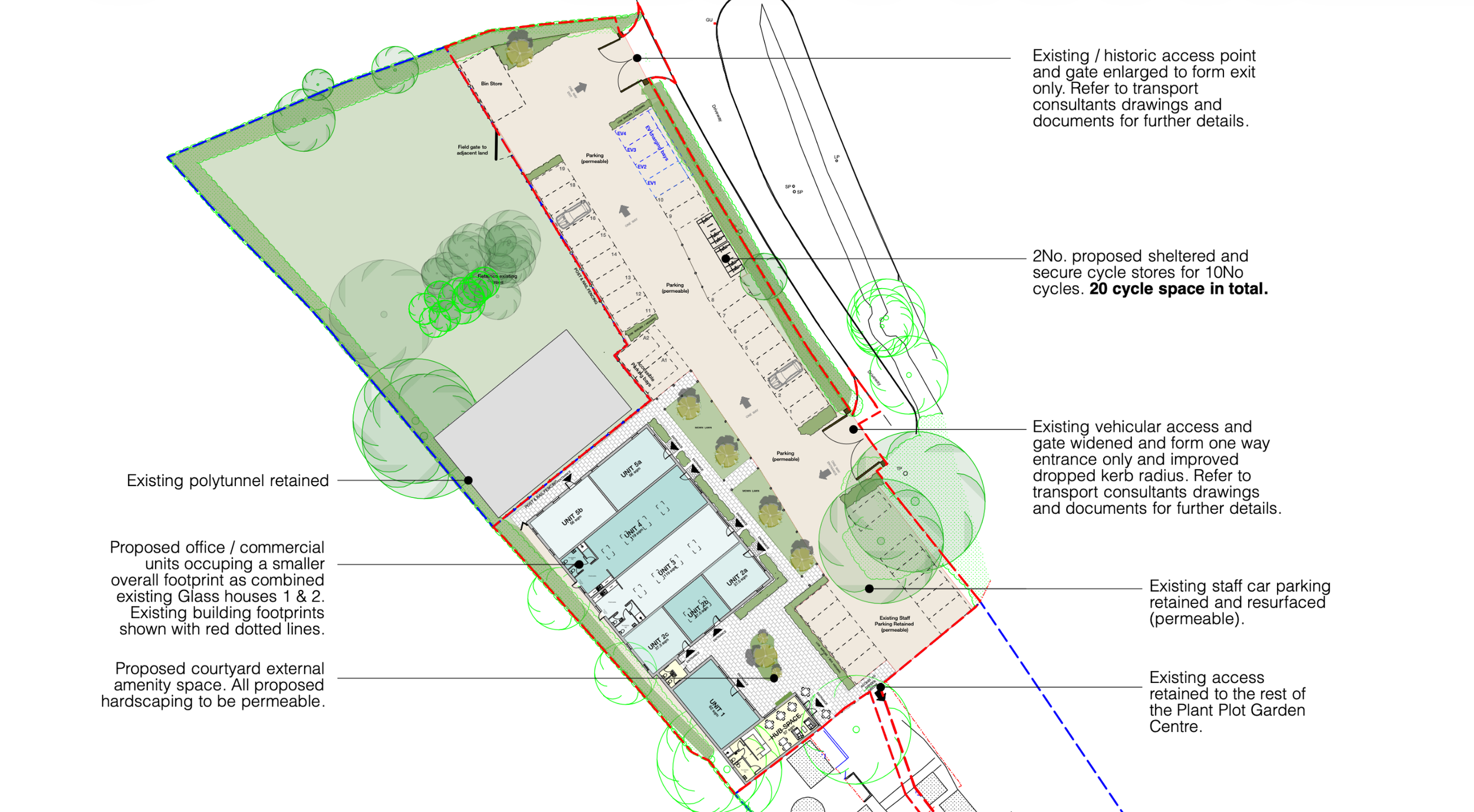
Approved Proposed Site Plan
Why Green Belt Isn't Always a Dead End
Green Belt policy is widely misunderstood. It doesn't mean no development, ever. It means development has to be justified, and the design has to be right.
In this case, the replacement of redundant structures with a higher-quality, carefully designed building — on an already established commercial site — gave us a strong case to make. The planning system responded to that.
This is where experience in complex and challenging sites really matters. Knowing which arguments to make, how to frame the design response, and how to work with planners rather than against them.
The Question Worth Asking Before Your Next Deal
If you own land or property — even something that feels unexciting or difficult — it is genuinely worth taking a fresh look.
Is there redundant or underperforming space on the site?
Are there tired structures that could be replaced with something more valuable?
Has the site ever been properly assessed for development potential?
Has Green Belt, flood risk, or another constraint been assumed to rule it out — without ever being properly tested?
Sometimes the answer is no. There's nothing there. Fine.
But sometimes — like our client with his garden centre — the next project is already under your nose. It's just waiting for someone to look at it properly.
Have a property or piece of land in mind?
We specialise in exactly this kind of project — complex, constrained, and often overlooked sites where the right design and planning strategy unlocks real value. If you have a site you'd like a fresh pair of eyes on, we'd love to have a conversation.