
Turning a Planning Refusal into a Planning Approval
( 4-5 Min Read )
If your site has been refused planning permission, this is the most important thing I can tell you:
A refusal from one architect doesn't mean a refusal forever.
Planning is not a simple yes or no system. It is a process — and how a scheme is designed, presented, argued, and positioned makes an enormous difference to the outcome. We see it time and again. A site that looks dead on paper comes back to life with the right approach.
This is the story of one of those sites.
The Site
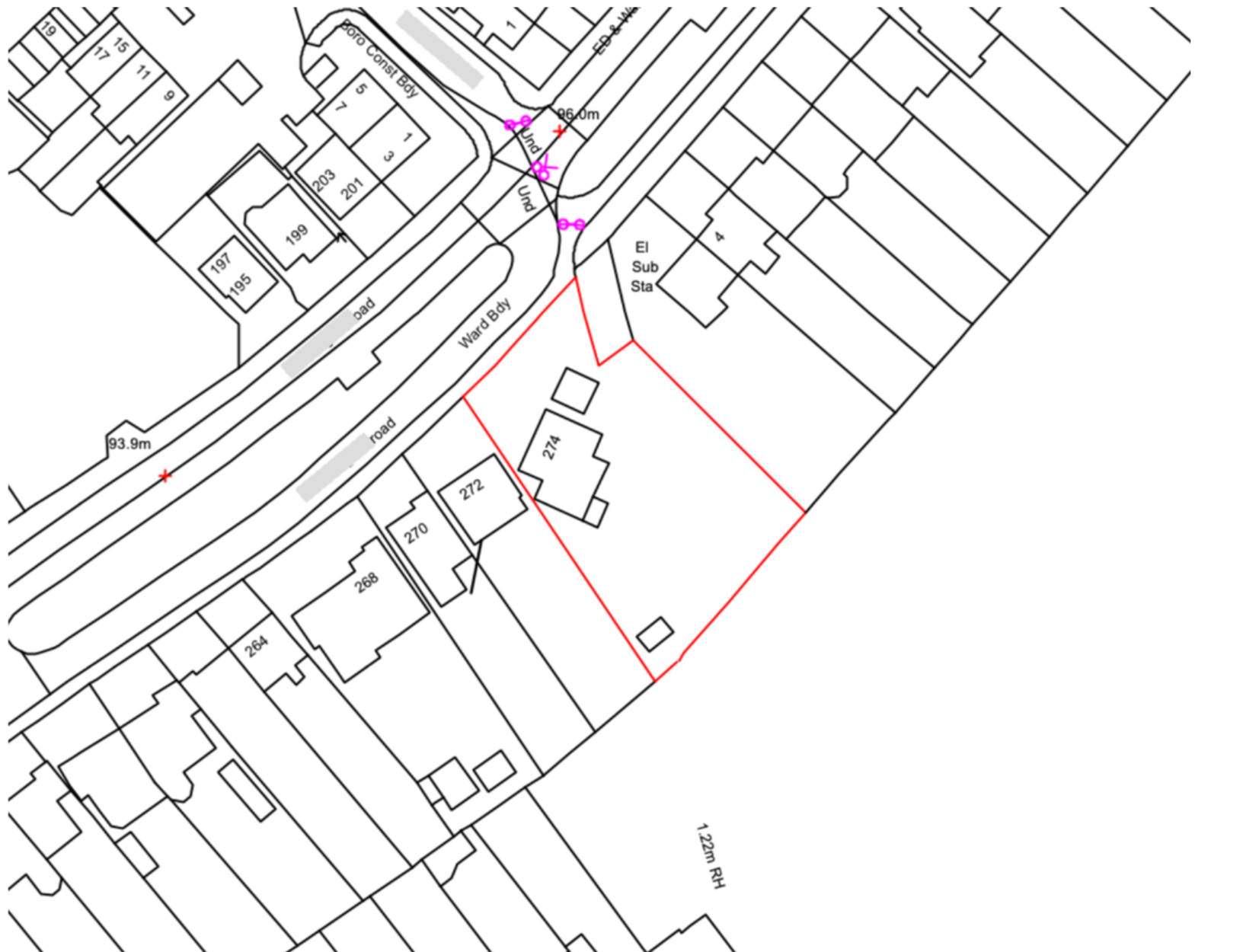
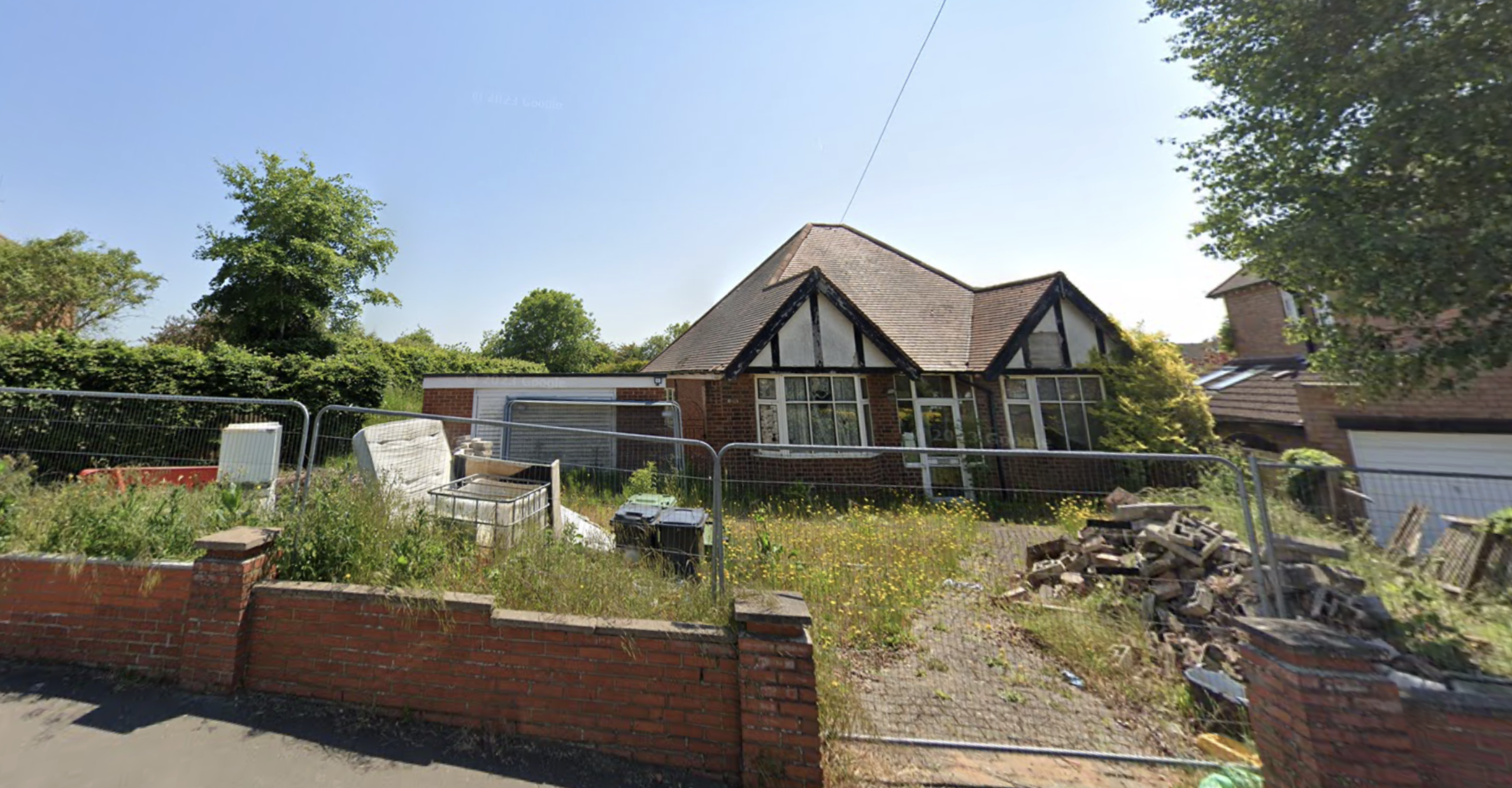
A generous plot in Leamington Spa. A derelict dormer bungalow sitting on land clearly capable of more. Good bones. Real potential.
The problem was that by the time we were approached, the site already carried two planning refusals from a previous Architect / designer. Two submissions. Two rejections. The owner was understandably frustrated and beginning to wonder whether the site could ever be unlocked. We believed it could.
What Had Gone Wrong
Without going into unnecessary detail about the previous submissions, the core issues came down to two things — site strategy and architectural language.
The earlier schemes hadn't resolved how the development sat on the plot in a way that the local planning authority found acceptable. And the design approach hadn't struck the right balance between contemporary ambition and sensitivity to the surrounding context.
These are not insurmountable problems. But they do require a genuine rethink — not a tweak, not a resubmission of the same scheme with minor amendments. A proper reassessment of the site from the ground up.
That's where we started.
The Redesign
We went back to basics. Fresh eyes on the plot. A new site strategy. A completely reworked architectural approach.
Our proposals centred on the demolition of the derelict bungalow and the development of two high-quality four-bedroom semi-detached homes. Spacious layouts. Generous rear gardens. Ample off-street parking. A design that felt considered and contemporary without ignoring what was already there around it.
The key was unlocking the full potential of the plot without overreaching. Planning authorities respond well to schemes that feel like they belong — that demonstrate an understanding of place rather than simply maximising every square metre regardless of context.
We redesigned the scheme with that balance at the centre of every decision.
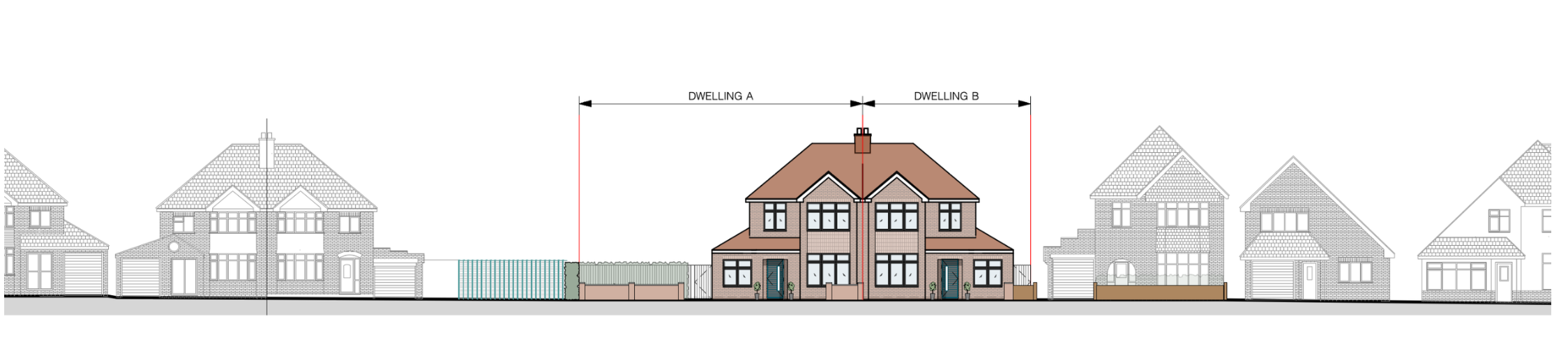
Proposed Street Elevation
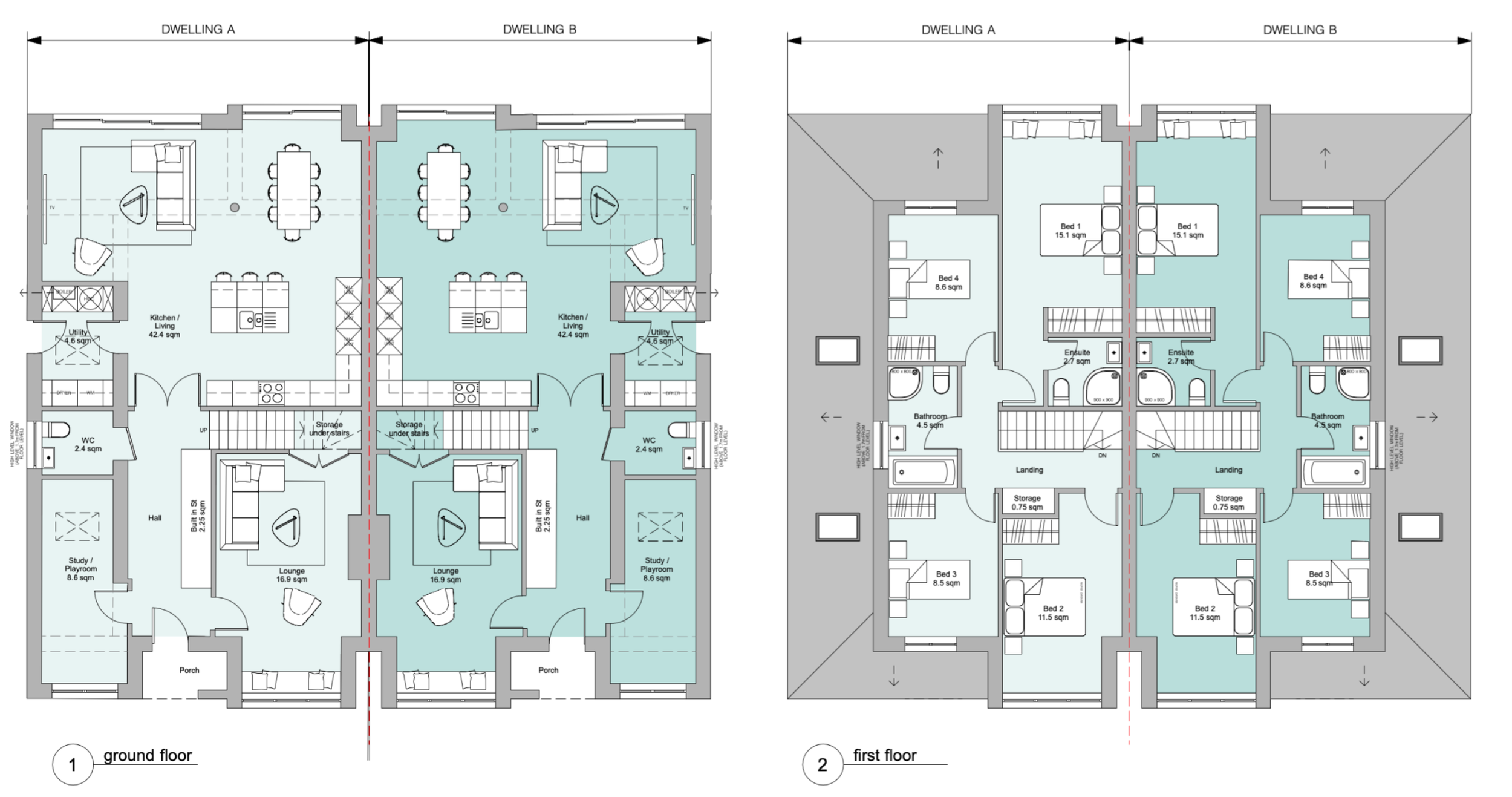
Proposed Floor Plans
The Outcome
In April 2025, we secured full planning permission for our client.
Demolition of the derelict bungalow approved. Two new four-bedroom homes approved. A site that had been refused twice, now with a viable and valuable consent in place.
Beyond the planning approval itself, the redesign delivered a significant uplift in development value for our client. Two well-designed four-bedroom homes on a generous plot in Leamington Spa.
What This Case Study Teaches Us
A planning refusal carries weight but it is not permanent. It is feedback. It tells you what didn't work, what the authority's concerns were, and where the previous approach fell short.
The mistake many developers make after a refusal — particularly after two — is to accept the narrative that the site simply can't get permission. In many cases that narrative is wrong. What the site couldn't get was permission for that particular scheme, designed in that particular way, by that particular architect.
Change the scheme. Change the approach. Sometimes, change the architect.
The site's potential doesn't disappear because of a refusal. It's still there. It just needs the right pair of eyes and the right strategy to unlock it.
Do You Have a Refused Site?
If you have a site that's previously been refused planning permission but you believe an approval is possible — or you simply want a second opinion — we'd love to hear from you.
We specialise in turning around rejected applications. We take a fresh look at what went wrong, rethink the scheme from the ground up where necessary, and build a case for approval that addresses the issues head on.
Get in touch below.