
Solar & Batteries for HMOs: How to Cut Your Energy Bills
( 4-5 Min Read )
There's a sentence I never thought I'd say. I actually look forward to getting my electricity bill.
Not with dread. Not with the resigned acceptance that it's going to be painful. With genuine curiosity — just to see how low it is this month.
If you'd told me a few years ago that would be the case on a bills, I wouldn't have believed you. But here we are.
Now let me show you exactly how this works having implemented this myself on my latest own project my barn conversion — and why I think every HMO landlord and developer should be looking at this seriously.
The Set Up
This isn't complicated technology. It isn't experimental. Everything in this system is off-the-shelf and available right now.
On this particular project the setup is:
A 10kW battery storage system
2.6kW of solar panels
An overnight charging strategy using cheap-rate electricity tariffs (7-8p / unit)
That's it. Three components working together as a system. The results speak for themselves.
How the System Works
The logic is straightforward once you see it laid out.
Overnight the battery begins charging on off-peak electricity. Tariffs like Agile Octopus or Economy 7 offer electricity at a fraction of standard daytime rates. While your tenants are asleep and the house is quiet, you're filling a battery for pennies per unit.
By the time morning arrives the battery is full. As soon as there's usable daylight, the solar panels come online and begin covering the live load of the house. Any surplus generation goes straight into topping up the battery further.
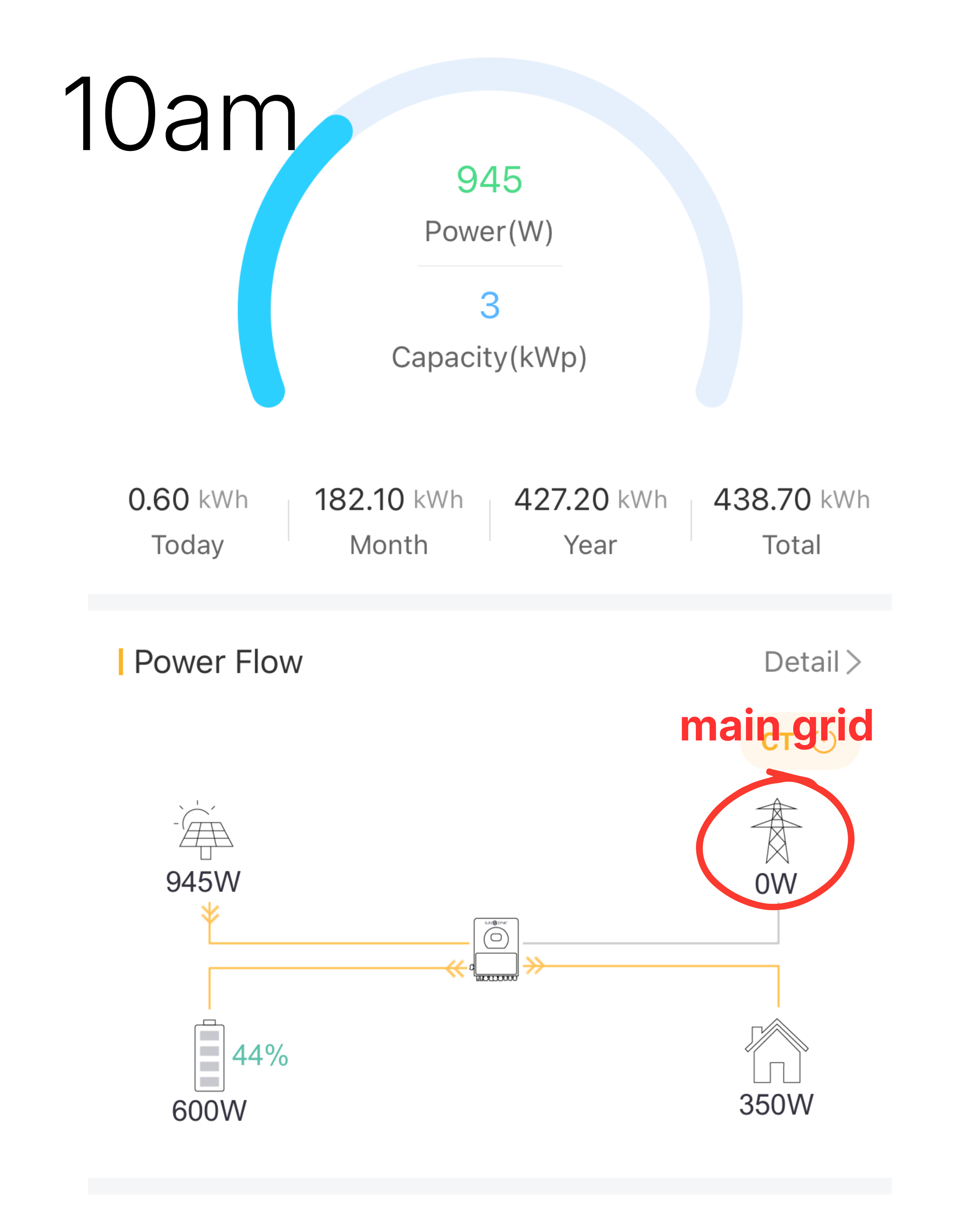
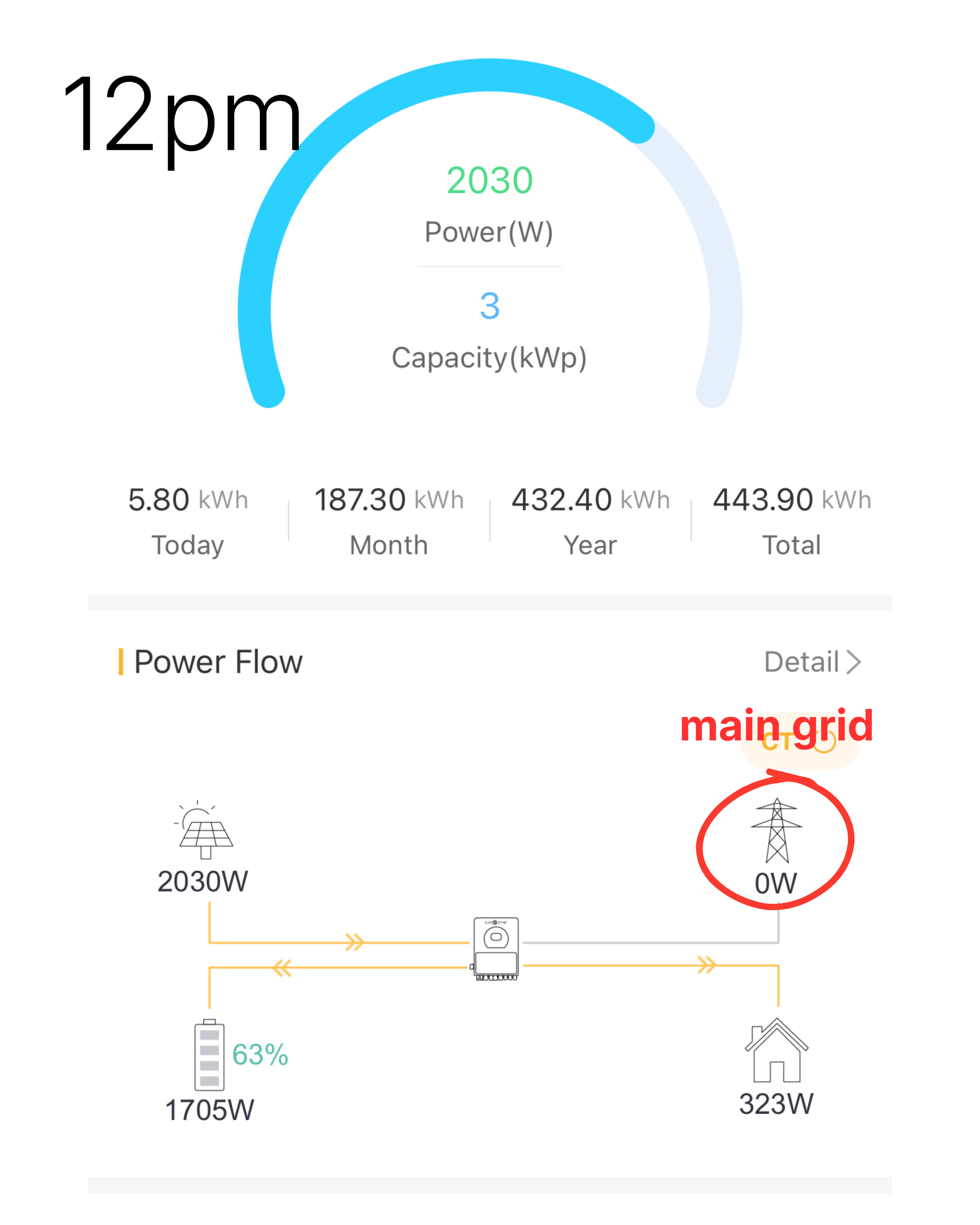
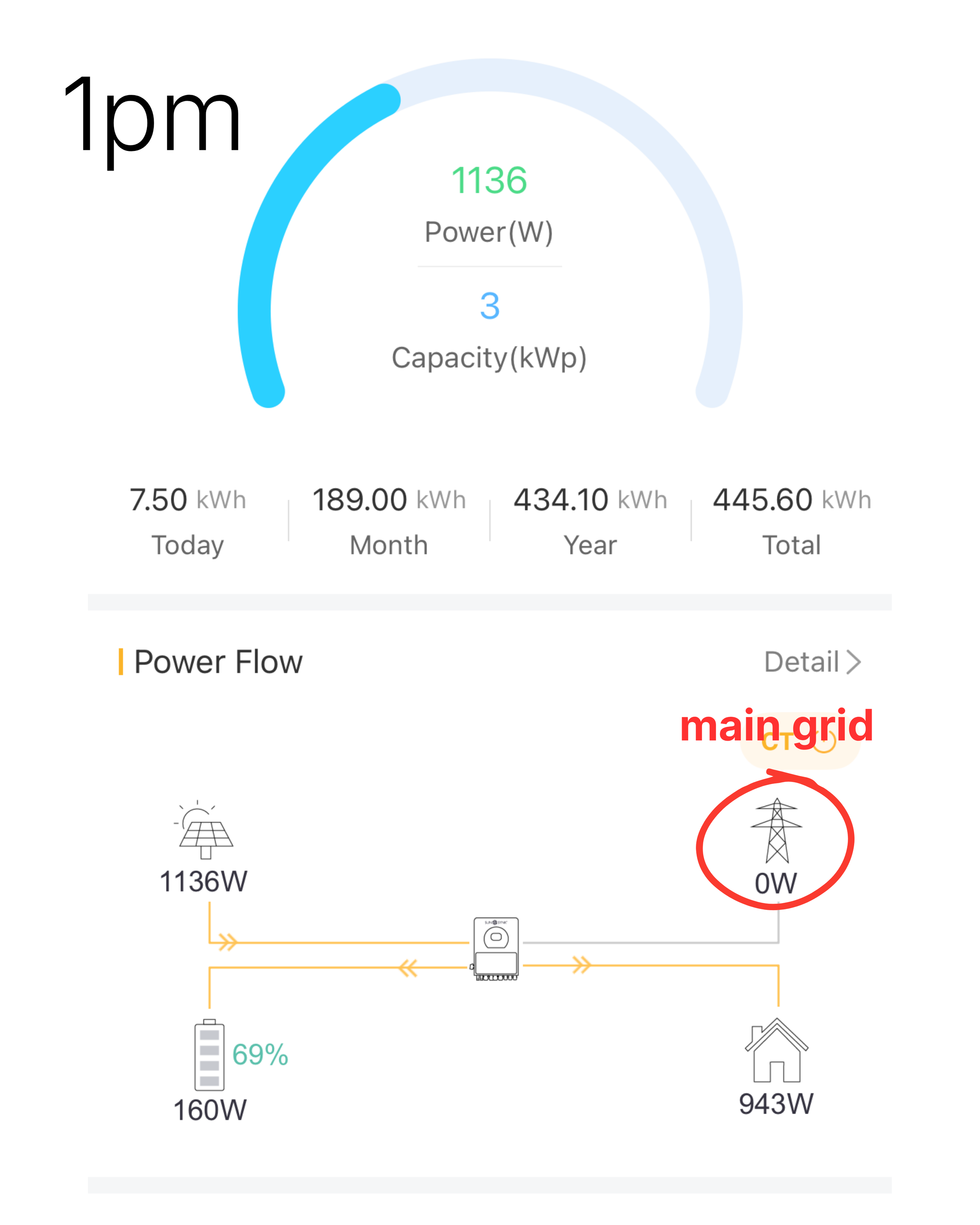
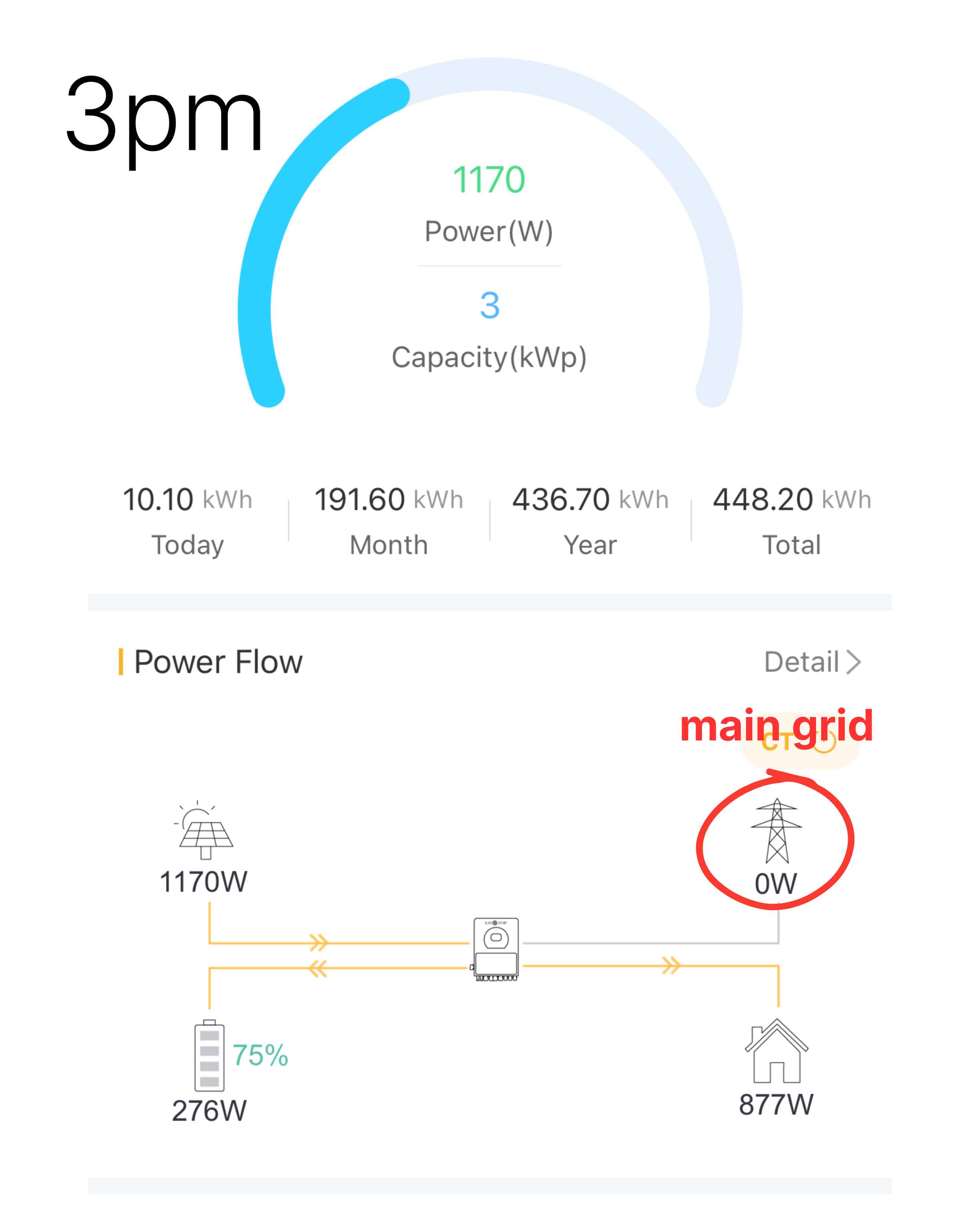
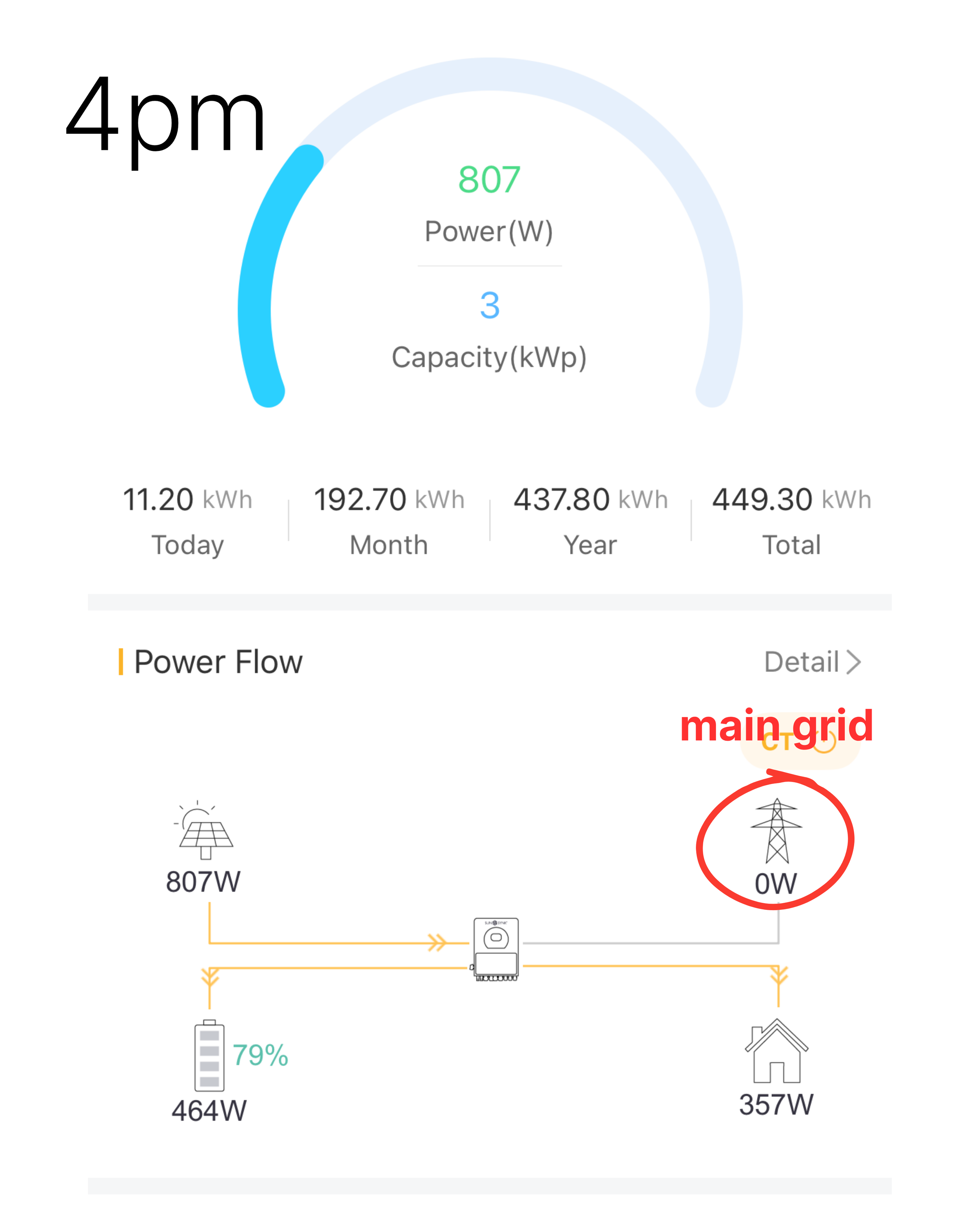
Through the morning and into the afternoon the house is running almost entirely on solar. The grid is barely touched. Any dip in solar input comes straight out from the battery, not from the main grid.
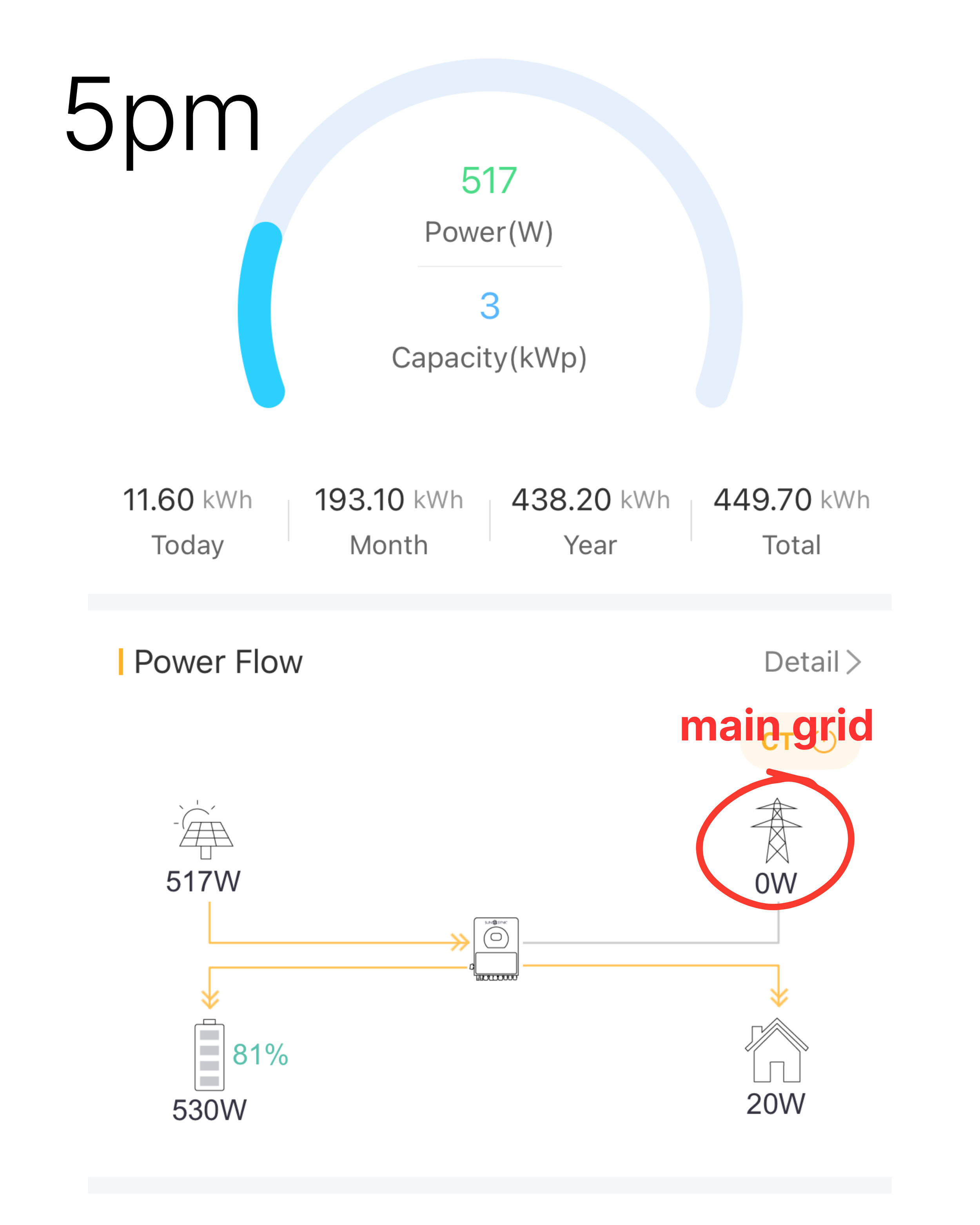
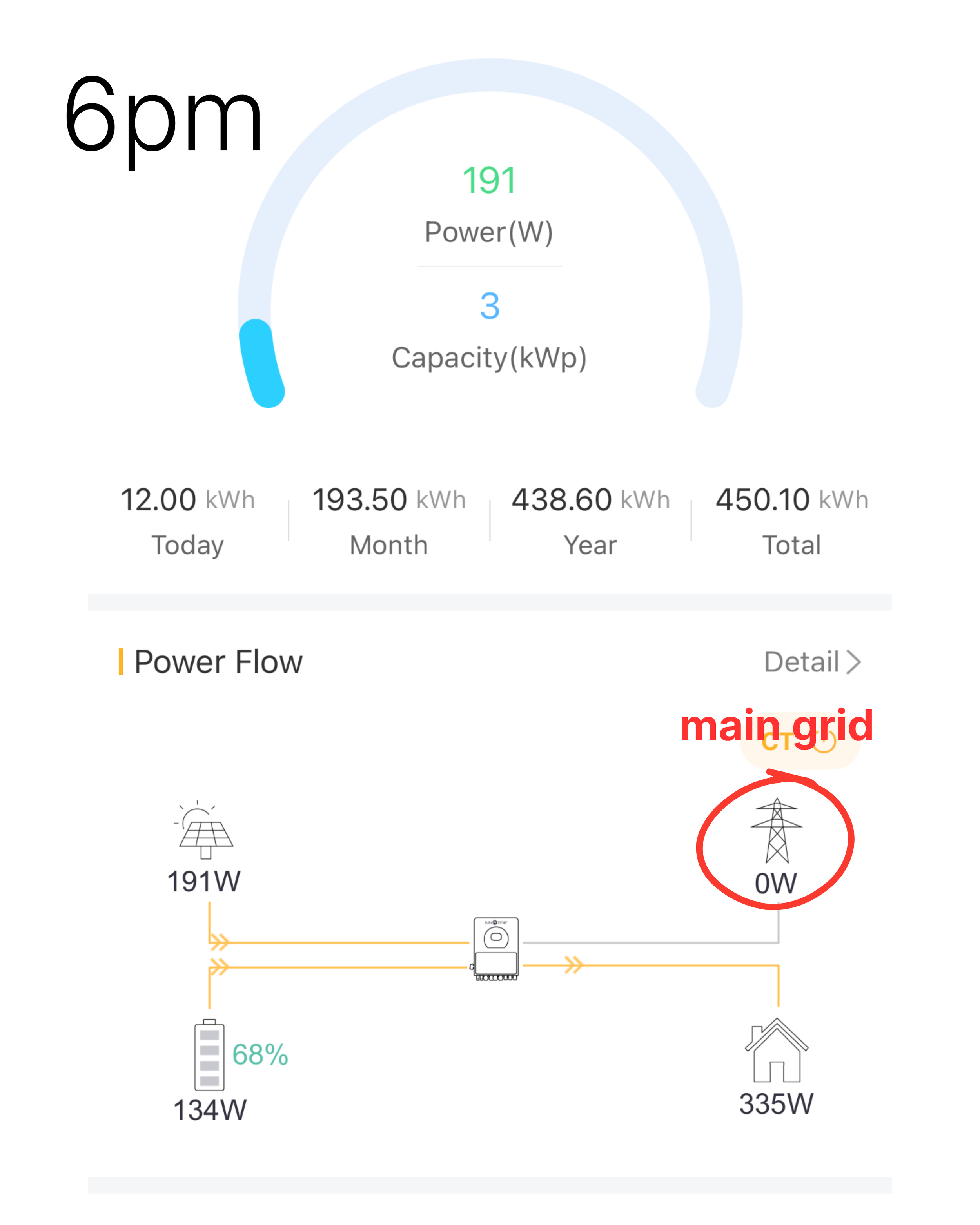
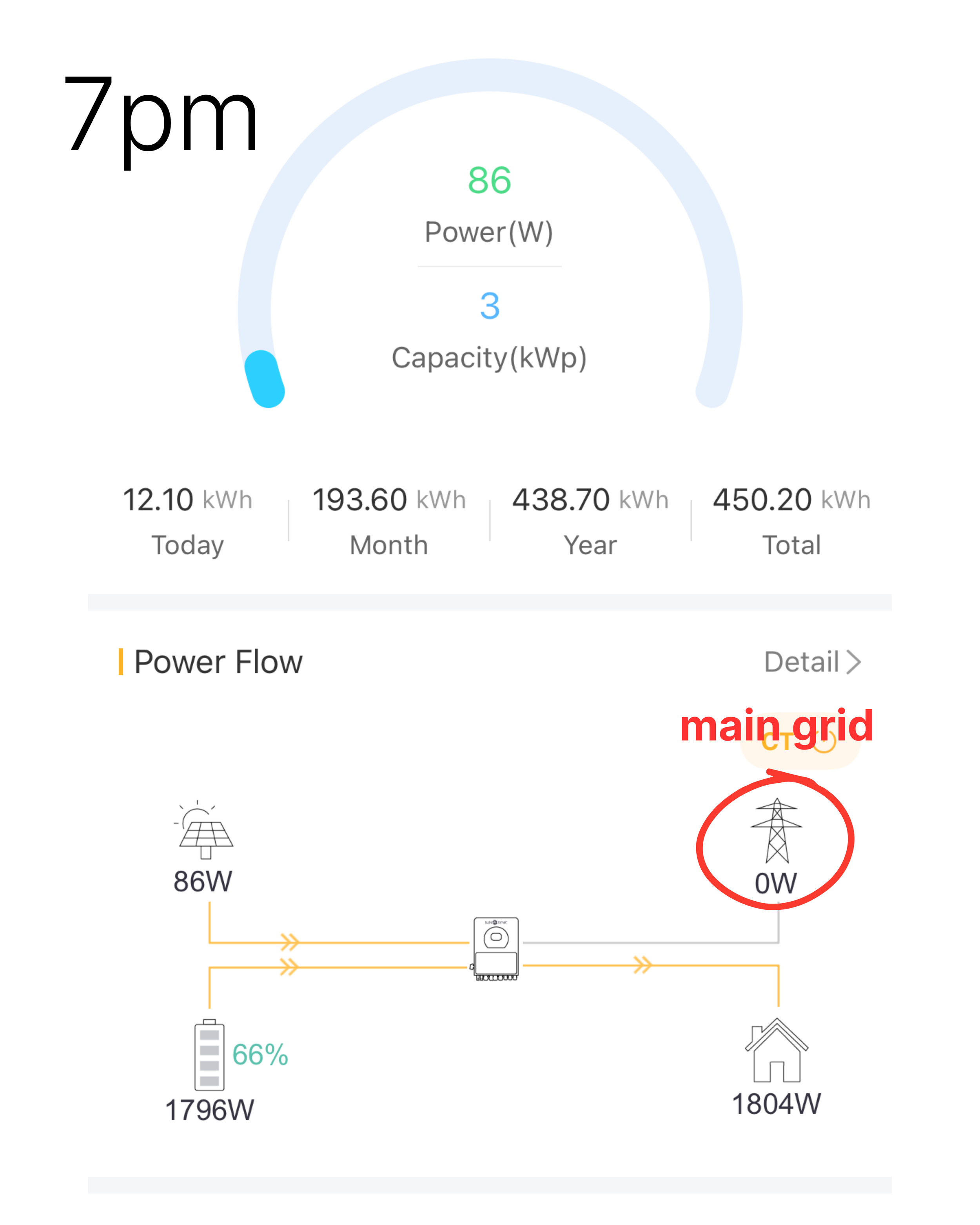
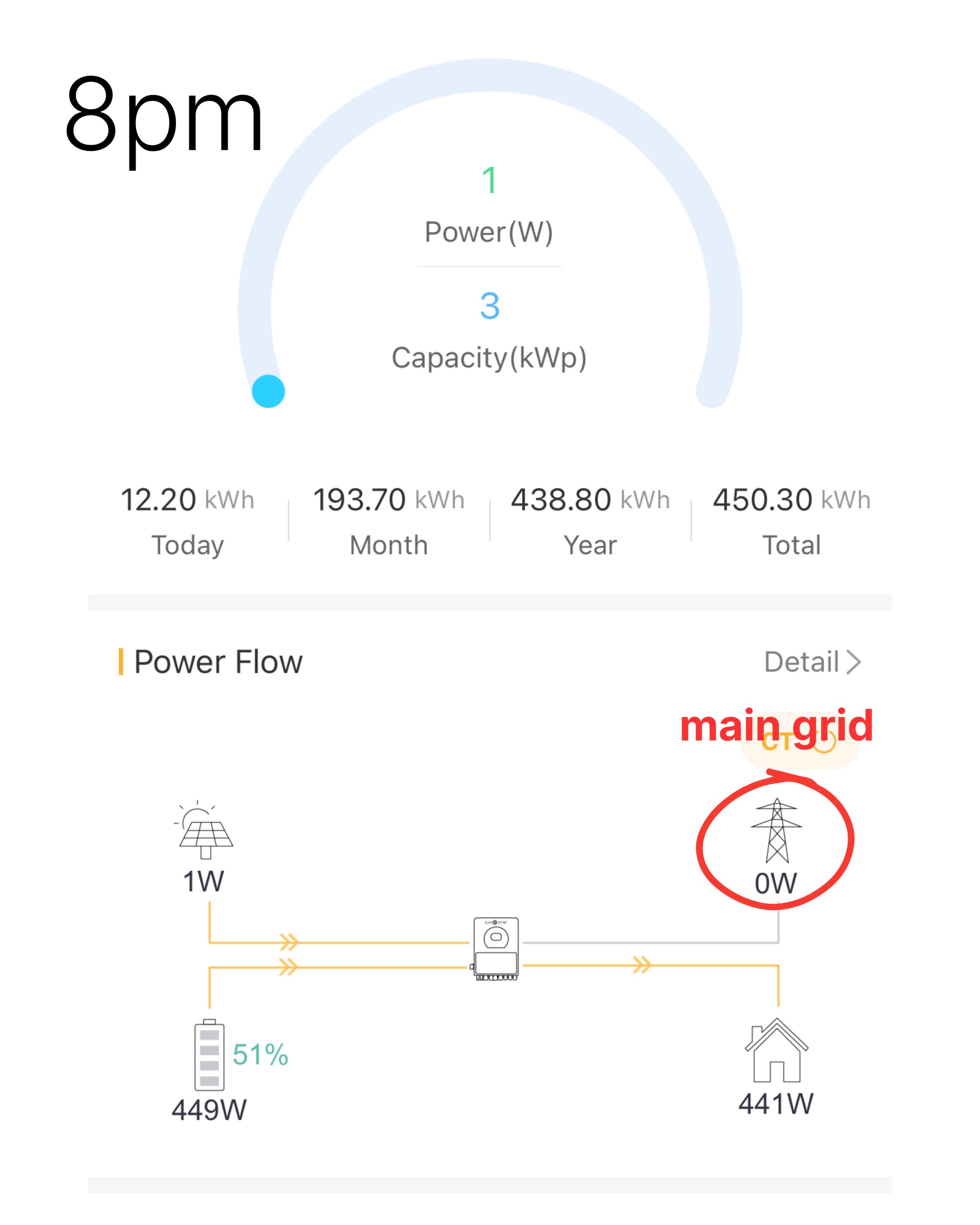
Then comes the expensive part of the day — the late afternoon and evening peak, typically 4pm to 8pm, when your tenants come home. Cooking, showers, televisions, laptops, phone charging. On a standard property this is when the meter spins fastest and the bills stack up.
On this system? That entire period is powered from the battery charged overnight at cheap-rate electricity.
The screenshots below show the actual hourly energy usage data from my project, taken on a sunny day in May, from 9am through to 7pm. You can see it clearly — on this day, no main grid electricity was used during day rate hours at all.



A Note on Seasonality
I want to be straight with you here — this data is from a good day. A sunny day in May. Solar performance in the UK is at its best in spring and summer and these numbers reflect that.
Performance will vary through the year. There's no point pretending otherwise.
But here's the thing that I think gets overlooked when people dismiss solar in the UK because of the weather — the overnight charging strategy works every single day, regardless of the season.
Winter, overcast skies, short days — none of that affects the fact that you're still filling that battery overnight at cheap-rate electricity and discharging it during the expensive peak hours.
In spring and summer the solar amplifies everything. You're running on or close to main grid-free on good days.
In autumn and winter the solar contribution drops — but the overnight charging foundation never goes away. You're still buying electricity at a fraction of what standard tariff customers are paying, every single day of the year.
The solar is the bonus. The battery strategy is the constant.
The Financial Case
Yes — there is an upfront investment here. A battery system and solar installation at this scale is not a negligible cost and I'm not going to dress it up as something it isn't. But context matters enormously.
When you look at this as part of an overall HMO conversion — with build costs, structural works, fit out, kitchens, bathrooms, furniture etc — the battery and solar package represents a relatively small percentage of the total project cost.
The difference between this and most of those other costs is that this one doesn't just sit there. It generates a return every single month through reduced energy bills for the lifetime of the system.
On a bills-included HMO, energy is one of your biggest and most unpredictable variable costs. This turns it into something controlled, predictable, and dramatically lower than it would otherwise be.
Why Isn't Everyone Doing This?
Honestly — I ask myself this every time I look at the data. The technology exists. The tariffs exist. The savings are demonstrable and real. The payback period is measurable. And for anyone developing or running bills-included HMOs, the financial logic is hard to argue with.
I think a lot of landlords and developers simply haven't looked at it seriously (yet). It sits in a mental category of "green technology" rather than "hard-nosed financial infrastructure decision" — and that framing is costing people money.
This isn't about being environmentally virtuous. Although it certainly doesn't hurt. This is about looking at one of your biggest running costs and systematically reducing it with a one-time investment.
If you're developing or managing HMOs and you haven't explored this yet — I'd strongly encourage you to run the numbers on your next project.