
(3-4 Min Read + Free PDF Guide)
Somewhere along the way as your portfolio grows, the goals and goal posts change.
After almost 10 years working alongside property investors on hundreds of projects, I’ve noticed the journey is almost always the same. I’ve been lucky to watch and be a part of a lot of these journeys up close.
Stage 1: Cash flow
Getting the income secure is where most people start. It’s also what frees them from the ‘day job’.
There’s normally something that triggers the move into property. It can be family, and wanting more time and flexibility. It can be the realisation that your life will stay exactly the same until retirement unless you do something drastic. Or it can be something a lot worse, a life event that makes you completely rethink how you want to live.
Whatever the trigger, it’s rarely about the property itself. It’s about wanting a different life.
This is the stage of buy-to-lets, HMOs, conversions and refurbishments, where the focus is on one question: what does the property net?
Cash flow is the foundation for everything that comes after. Investors who get this stage right have steady income that covers their costs, a buffer when something goes wrong, and the confidence to make decisions without panic and move onto Stage 2.
Stage 2: Wealth that lasts
Once the daily income is secure and easily covers your day-to-day living costs, the question changes. It’s no longer “what does this net?” but “what am I building, and who is it for?” Quite often, projects are then taken on with a much longer term view.
This is where investors start thinking about wealth that lasts. A portfolio that grows in value, runs well without you in every detail, and can be passed on.
It usually means being more selective. Fewer, better projects. Stronger systems. Proper planning and design, so each property is a high-performing asset, not just another unit.
The type of project can also change at this point. Quite often there’s a move towards less intensively managed property, such as buy-to-lets, blocks of flats and commercial property.
It’s also where projects get bigger, and where I see the most risk. More money, more partners, more moving parts.
Stage 3: The dream home
For a lot of investors, a different thought begins to creep in. What about building or creating your own dream home.
A big renovation, or a self-build, using everything you’ve learned from years of building your property portfolio. The planning knowledge, the budgeting, the eye for what’s viable.
You might be well versed in sourcing your next investment deal. But in my opinion, your own home is a different kettle of fish. It’s emotional for one and is rarely bought based on numbers alone.
And it all starts with a question you may not have had to answer before: where do you find your dream self build plot?
You’ve seen other people doing it. Amazing properties, incredible plots, beautiful projects, and you NEVER see them on Rightmove.
If you’ve followed me on social media, you’ll know that this year I moved into my dream 300 year old barn conversion, which I developed and designed myself from a derelict ruin as you can see on the before photo below.
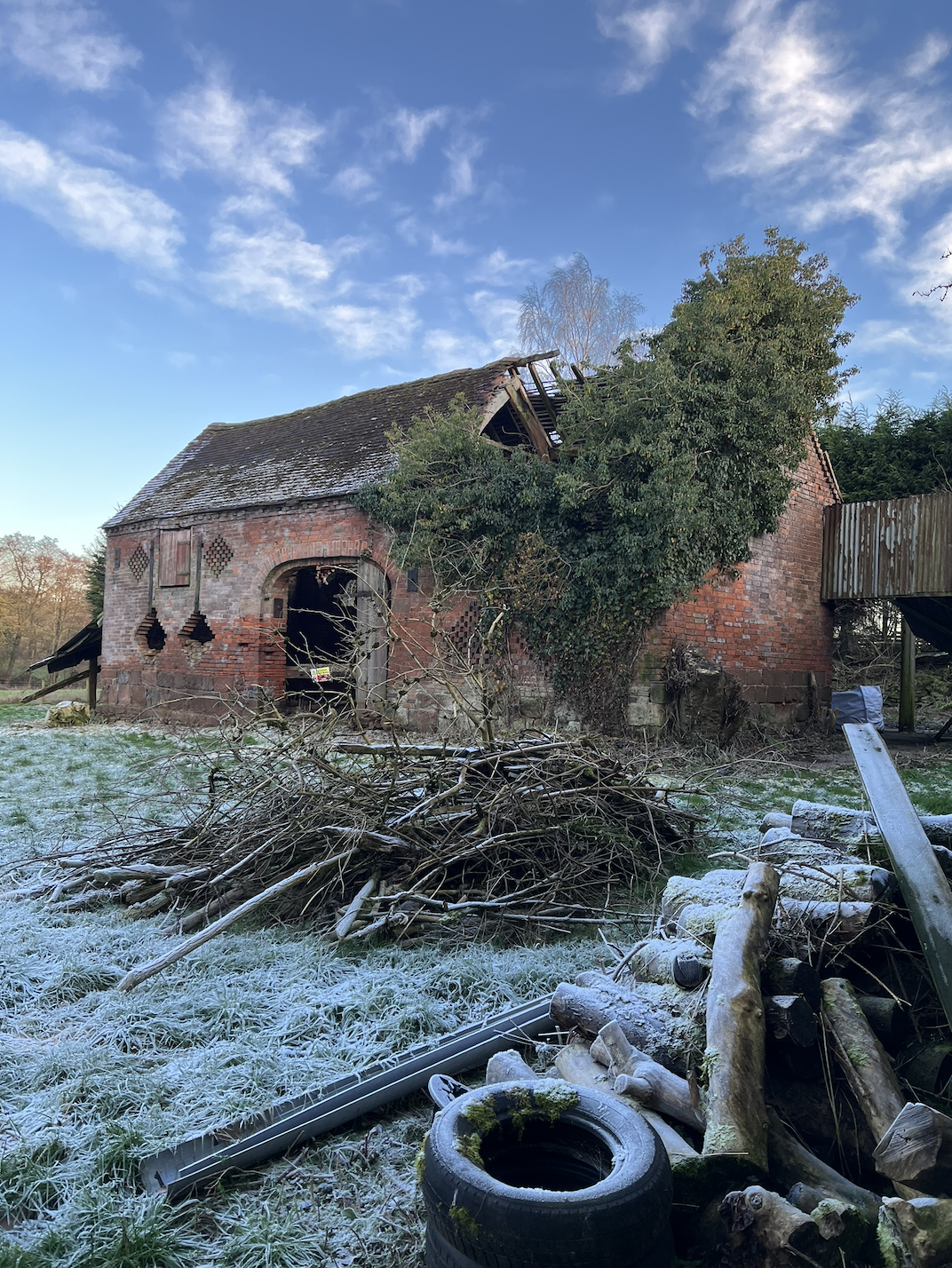
My barn conversion - BEFORE
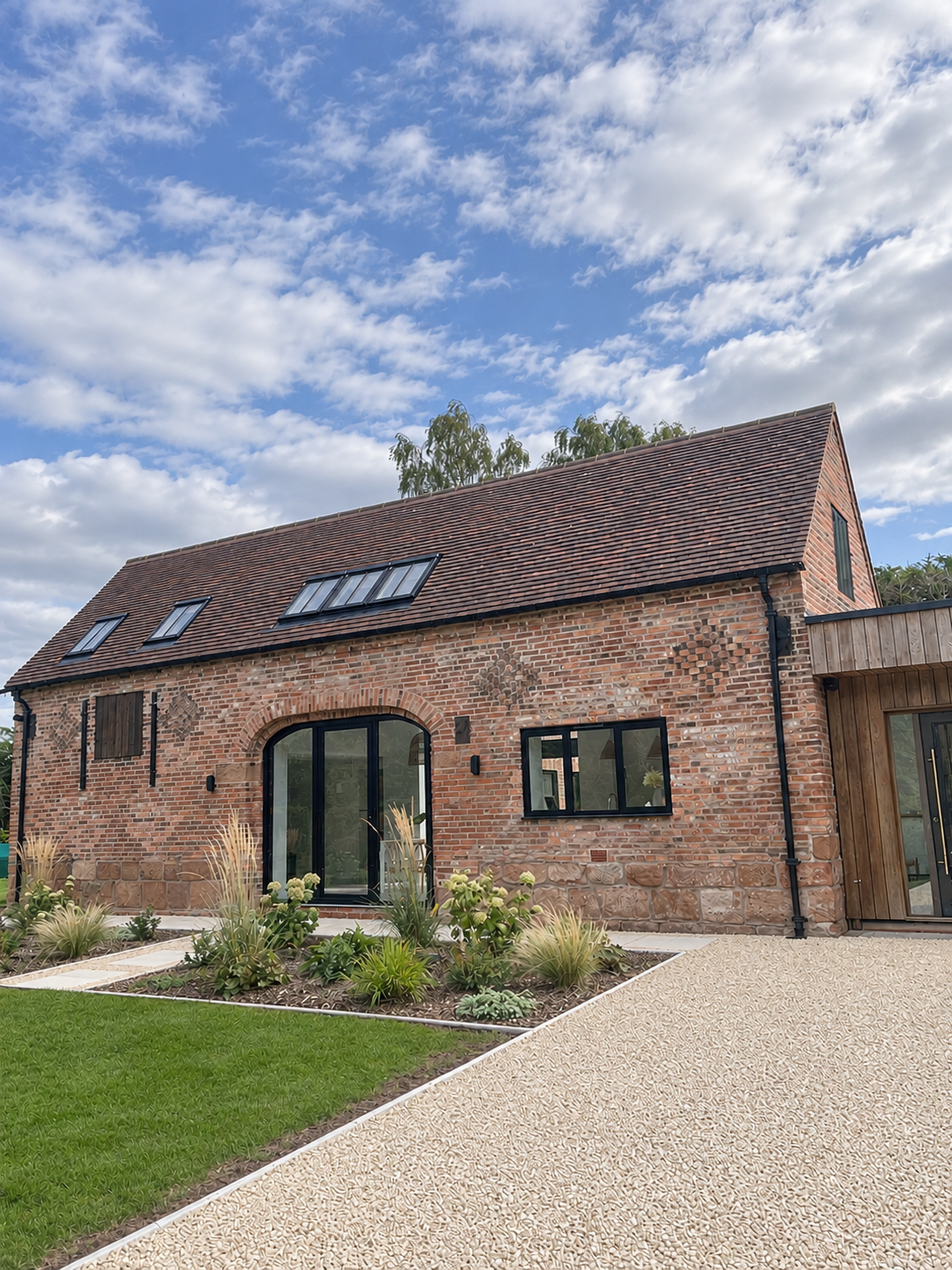
My barn conversion - AFTER (2026)
If you’re nearing Stage 3, planning it, or just curious about what it would take, I have a little something for you.
I found my barn in an unconventional way. I’ve put it, along with 4 other ways to find yours, into a free PDF guide to finding your self-build plot.
It’s the same approach I’d tell any investor who asked me how I did it, written down so you don’t have to wait for a coffee with me to find out.
Inside you’ll find:
Exactly how I found my own barn (it’s not where most people look)
4 other unconventional ways to source a plot before it hits the open market
A quick plot assessment checklist, so you don’t fall in love with a site that was never viable
You don’t have to be ready to buy. Plenty of people read it just to see what’s possible, and that’s a good place to start.